WP ADA Compliance Check Fixes Issues Automatically
A WP ADA compliance check with intelligent code that detects and corrects many issues automatically changes the accessibility workflow from a periodic emergency into an ongoing publishing control. For WordPress teams managing hundreds of pages, recurring blog posts, downloadable documents, custom templates, and content from multiple editors, that distinction matters. Manual review remains necessary, but automation can identify common failures early and correct a defined set before they become a barrier for users or a finding in an audit.
Accessibility obligations are not limited to a homepage or a new landing page. Public-facing websites must be usable by people who navigate with keyboards, screen readers, voice controls, magnification, or other assistive technology. For organizations subject to ADA expectations, Section 508 requirements, or contractual WCAG obligations, accessibility needs to be part of the content lifecycle inside WordPress.
What Intelligent Accessibility Code Can Correct
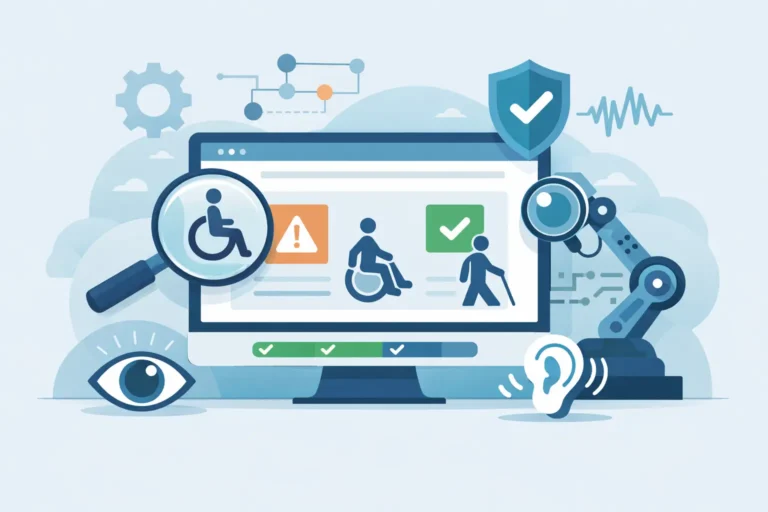
An automated accessibility checker reviews site content and code against programmed rules. In practical terms, it can inspect patterns that are consistently measurable: missing image alternative text, empty links, skipped heading levels, form fields without labels, insufficient color contrast, duplicate IDs, missing language declarations, and other common WCAG failures.
Intelligent code does more than report that a problem exists. When the issue has a safe, predictable correction, it can apply that correction automatically or provide a controlled fix within the WordPress editor. For example, a checker may add attributes needed to improve navigation behavior, identify redundant title attributes, or correct markup patterns that interfere with assistive technology.
This saves time because site administrators do not need to locate every affected page manually. A useful system should identify the specific error, explain why it fails an accessibility requirement, show the relevant standard, and point the user to the code location or WordPress editing path. That turns a broad warning into a repair task a content manager, developer, or agency can assign and complete.
Automatic correction has boundaries. It should only be used where software can make a reliable decision without changing the meaning or usability of the content. A tool cannot accurately write meaningful alternative text for a complex chart, determine whether a link label makes sense in context, or decide whether a video needs audio description. Those are judgment calls that require a person who understands the page purpose and the audience.
Why Detection Alone Is Not Enough
A scan that produces a long list of errors can create more work if it does not support remediation. Website owners need to know what must be fixed first, where it appears, who can fix it, and whether the correction resolves the issue across the site.
This is especially relevant in large WordPress environments. Accessibility problems can originate in page content, reusable blocks, menus, widgets, theme templates, custom post types, embedded forms, and PDFs. A single inaccessible template element can affect every page using that template. Conversely, an editor may create a one-off content issue that appears only on a single page. The remediation process needs enough detail to distinguish between the two.
A WordPress-native checker can make that process manageable by scanning the full site rather than limiting review to the post currently open in the editor. It should account for published content, linked pages, theme files, navigation elements, and documents that users may need to access. Coverage matters because legal and usability risk does not disappear simply because an inaccessible asset sits outside the main page editor.
For agencies and internal web teams, detailed reporting also creates accountability. Instead of telling a client that the website has “accessibility concerns,” the team can document the applicable WCAG issue, affected URLs, code locations, severity, and remediation status. That is a more defensible operational record and a clearer basis for prioritizing work.
How a WP ADA Compliance Check Supports Publishing Controls
The most effective accessibility program catches problems before content goes live. Post-publication scans remain necessary, particularly for legacy websites, but prevention reduces the cost of cleanup.
Publishing controls can alert editors when a page contains an accessibility error and, where policy requires it, stop publication until critical failures are addressed. This approach is valuable for government departments, schools, universities, healthcare organizations, and businesses with distributed content teams. It establishes a consistent standard even when the people creating content are not accessibility specialists.
The goal is not to punish editors or force every user to learn technical markup. The goal is to provide clear guidance at the moment content is created. An editor who receives a specific warning about a missing form label or empty button can address it immediately. A vague compliance instruction delivered weeks later is far less effective.
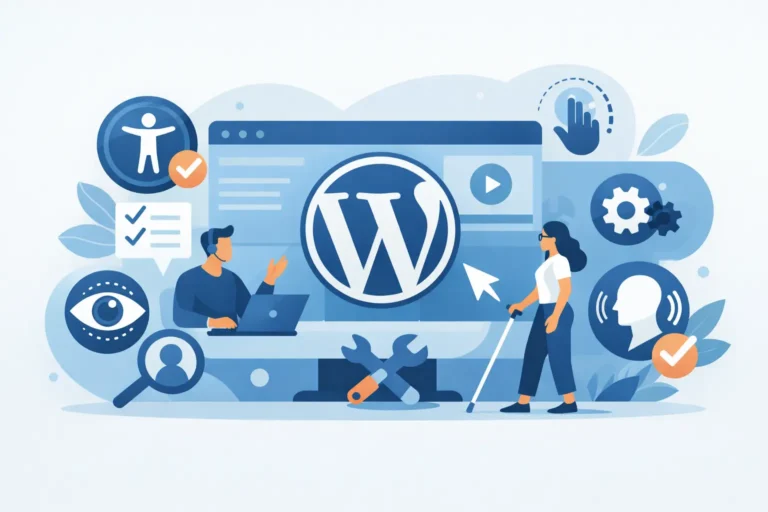
WP ADA Compliance Check is designed for this workflow. It evaluates WordPress sites against WCAG 2.1, WCAG 2.2, and Section 508-related requirements, identifies a broad range of accessibility issues, and automatically corrects defined error types while providing remediation guidance for the rest. That combination supports both non-technical content teams and developers responsible for theme-level repairs.
Automated Fixes Need Human Verification
No automated checker can certify that a website is fully ADA compliant. ADA compliance depends on the actual experience of users with disabilities, the website’s functionality, and the applicable legal and organizational requirements. Automated tools are highly effective at finding repeatable code-level defects, but they cannot evaluate every criterion that requires context.
Consider an image with alternative text. A scan can detect whether an image is missing an alt attribute. It cannot always determine whether the existing text describes the image accurately, whether the image is decorative, or whether the image contains essential information that needs a longer description. Similarly, a tool can identify a link labeled “Read more,” but a reviewer must decide whether the surrounding context makes the destination clear to screen reader users.
Keyboard testing, screen reader testing, logical focus order, error recovery in complex forms, meaningful reading order, and the quality of captions are examples of areas that deserve human review. The correct operational model is automation first, expert verification where judgment is required, and repeat scans after changes are deployed.
This is not a weakness in automated auditing. It is the reason organizations should avoid vendors or processes that promise instant, guaranteed legal compliance. A credible accessibility process makes the division of responsibility clear: software detects and remediates what can be reliably measured, while trained people validate real-world usability and unresolved issues.
Prioritize the Issues That Affect Access
Not every accessibility finding carries the same impact. A mature remediation process prioritizes barriers that prevent users from completing essential tasks, such as applying for services, paying a bill, making an appointment, submitting a form, accessing course materials, or reading a required notice.
Start with global components and high-traffic pages. Navigation menus, headers, footers, search tools, login flows, forms, and template files can affect a large percentage of the site. Fixing a recurring issue in a theme or reusable block often resolves many instances at once. Next, address priority service pages and documents, then work through the remaining content based on risk, traffic, and organizational need.
Reports should be reviewed after WordPress core updates, plugin changes, theme revisions, content migrations, and major design releases. Accessibility can regress when a developer changes a component, an editor pastes formatted content from another source, or a new marketing tool injects inaccessible code. Continuous scanning is more dependable than treating accessibility as a one-time project.
Building an Accessibility Process That Holds Up
Automation works best when it is assigned to a repeatable process. Define who reviews reports, who owns theme-level issues, who repairs page content, and who verifies remediation. Agencies should make accessibility findings part of their maintenance reporting. Institutions should include it in publishing policies and vendor review procedures. Site owners should retain scan records and remediation documentation as evidence of sustained accessibility work.
The right tool reduces manual effort, but it does not replace responsibility. Intelligent code can correct many predictable failures, identify problems across a complex WordPress installation, and give teams practical direction for the issues that need judgment. That gives organizations a realistic path to reduce barriers now and maintain stronger accessibility standards as their websites continue to grow.